
Let’s dissect the Quran, this holy book of Islam, and its complex internal structure. Its division into “juz” often causes confusion among those seeking to understand or study this sacred text. This term, literally meaning “part” in Arabic, is crucial for understanding the layout of the Quran and its religious significance. There are 30 “juz,” and each “juz” is subdivided into two “hizb,” totaling 60 “hizb.” Why this division, and what is its implication in the practice of Islam? Let’s delve into this question.
The Quran: A Sacred Book of Great Importance
The Quran, a divine book revered by millions of believers around the world, is known for its unique and profound structure. At the heart of this organization are the ‘juz of the Quran’, or parts of the Quran. The term ‘juz’ literally means ‘part’ in Arabic, reflecting the division of the Quran into 30 equal sections.
Each juz of the Quran is then subdivided into two hizb, creating an even more precise and detailed structure. In total, this represents 60 hizb within the Quran.
But what is the actual importance of this division? Why was the Quran organized in this way?
The answer lies in the facilitation of recitation and understanding of the sacred text. The juz allow readers to gradually approach the dense content of the Holy Book, thus offering a better thematic and contextual understanding.
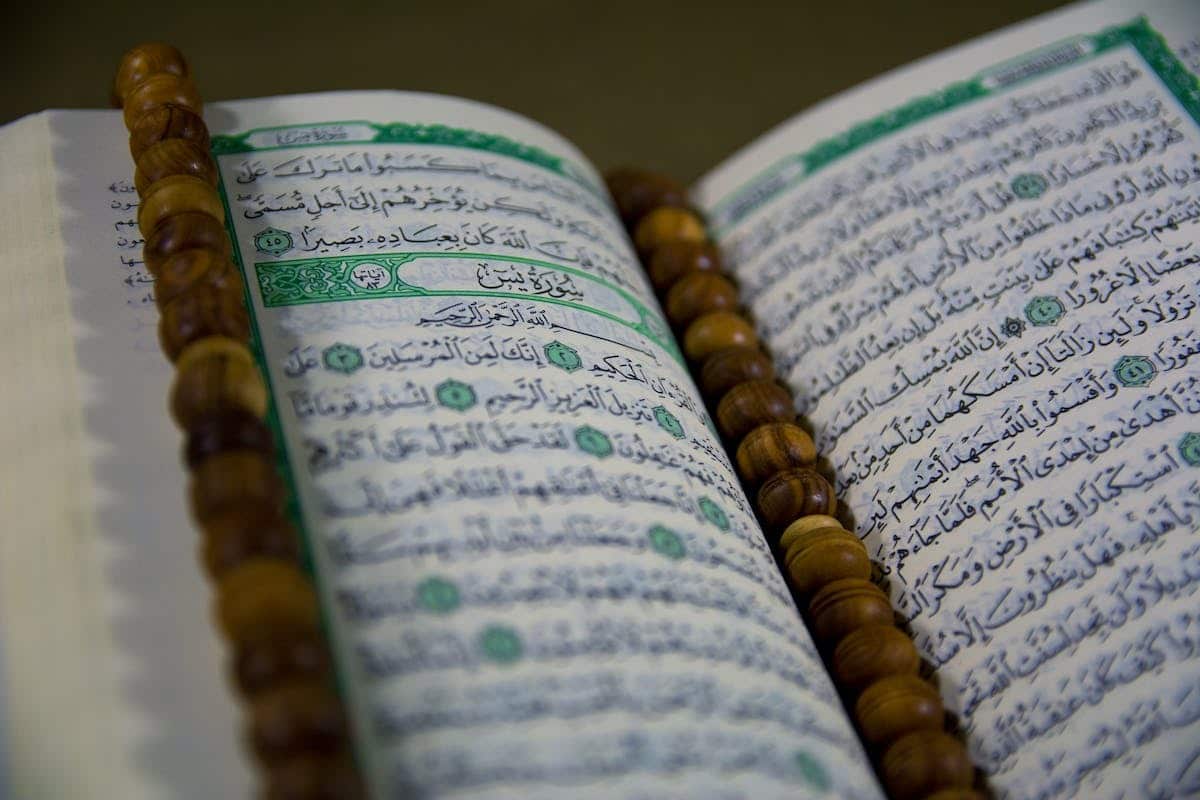
Structure of the Quran: The Juz for Better Reading
This thematic organization is crucial for students and researchers who wish to deepen their understanding of the Quran. Each juz of the Quran addresses specific topics, allowing readers to immerse themselves in a precise theme without feeling overwhelmed by the multitude of verses.
For example, the first juz of the Quran primarily deals with the fundamental beliefs of Islam such as the oneness of God, prophecy, and the Day of Judgment. The second juz emphasizes the practical aspects of the religion such as prayer and fasting. In this way, each part of the Quran offers a unique focus, allowing believers to study and internalize these teachings with increased clarity.
This organizational structure was established by Uthman ibn Affan in the 7th century CE to unify different recitations of the Quran across the Muslim world. By dividing the sacred text into equal parts, he enabled all Muslims, regardless of their geographical or linguistic background, to access a standardized version of the Holy Book.
It should be noted that in addition to the divisions into juz of the Quran and hizb, there are also ajza’, which are even smaller (60 ajza’) to further facilitate the gradual learning of the sacred text.
The division of the Quran into juz of the Quran and hizb offers a rich thematic structure that facilitates the recitation, study, and understanding of this sacred text. It allows believers to immerse themselves in specific themes while benefiting from a broader contextual perspective. This carefully thought-out organization reflects the importance given to clarity and accessibility in the divine message conveyed by the Quran.
The Juz of the Quran: A Thematic Organization for Better Understanding
The importance of the juz in the recitation and understanding of the Quran cannot be underestimated. This systematic division greatly facilitates the study and learning of this sacred text.
First, the juz provide a clear structure for Quran reciters. By familiarizing themselves with the specific divisions, they can navigate more easily through the holy book when reciting it in full or when they want to focus on a specific passage. This also allows them to assess their progress and measure their accomplishments as they complete each juz.
This thematic organization facilitates the memorization of the Quran. Students wishing to memorize the entire holy book can break this daunting task into more manageable sections. They can thus focus on one juz at a time, mastering its content before moving on to the next. This progressive approach allows for more effective assimilation of the Quranic teachings.
The juz promote a better understanding of the Quranic message. Each part addresses different subjects that are linked by a coherent internal logic. By studying each juz individually, it becomes easier to appreciate the depth of Islamic teachings in their appropriate context.
These divisions also facilitate access to specific passages frequently cited in various aspects of Muslim life such as ritual prayers, Friday sermons, and special occasions. Having a clear knowledge of the juz makes it simpler to quickly locate relevant verses.
The division of the Quran into juz offers numerous practical advantages for reciters and students of the Quran. It facilitates the smooth and melodic recitation of the sacred text while providing a better thematic understanding. The juz also allow for a deeper progressive learning of the Quranic teachings and facilitate access to passages frequently cited in daily religious practice. Think of this literary jewel that has guided Muslims for centuries.
The Juz of the Quran: Facilitating the Recitation and Understanding of the Holy Text
The distribution of the Quran into juz also reflects the thematic and narrative structure of this sacred text. Each juz is carefully designed to present a coherent set of subjects, stories, and spiritual teachings. Readers can explore different aspects of the Islamic faith through these clear divisions.
The study of the juz allows Quranic researchers to examine the major themes addressed in each part. For example, the first juz emphasizes divine mercy and the call to believe in God alone. The second juz focuses on the divine laws related to marriage and family. Each division offers an in-depth exploration of the Quranic teachings related to its main subject.
The divisions of the juz also promote a comparative analysis between different parts of the Quran. Researchers can study how certain themes are developed in several distinct sections of the holy book. This allows them to refine their understanding of the nuances and subtleties underlying these sacred texts.
It should be noted that while the divisions into juz offer a practical structure for studying the Quran, they should not be considered rigid or limiting. The fluidity between the different parts of the text is always encouraged in order to fully grasp its spiritual depth.
Overall, understanding the number of juz and its importance in the Quran helps us appreciate its literary beauty as well as its spiritual dimension. The juz provide a methodology for study and recitation, allowing believers to fully engage with the sacred text of the Quran in their daily practice.