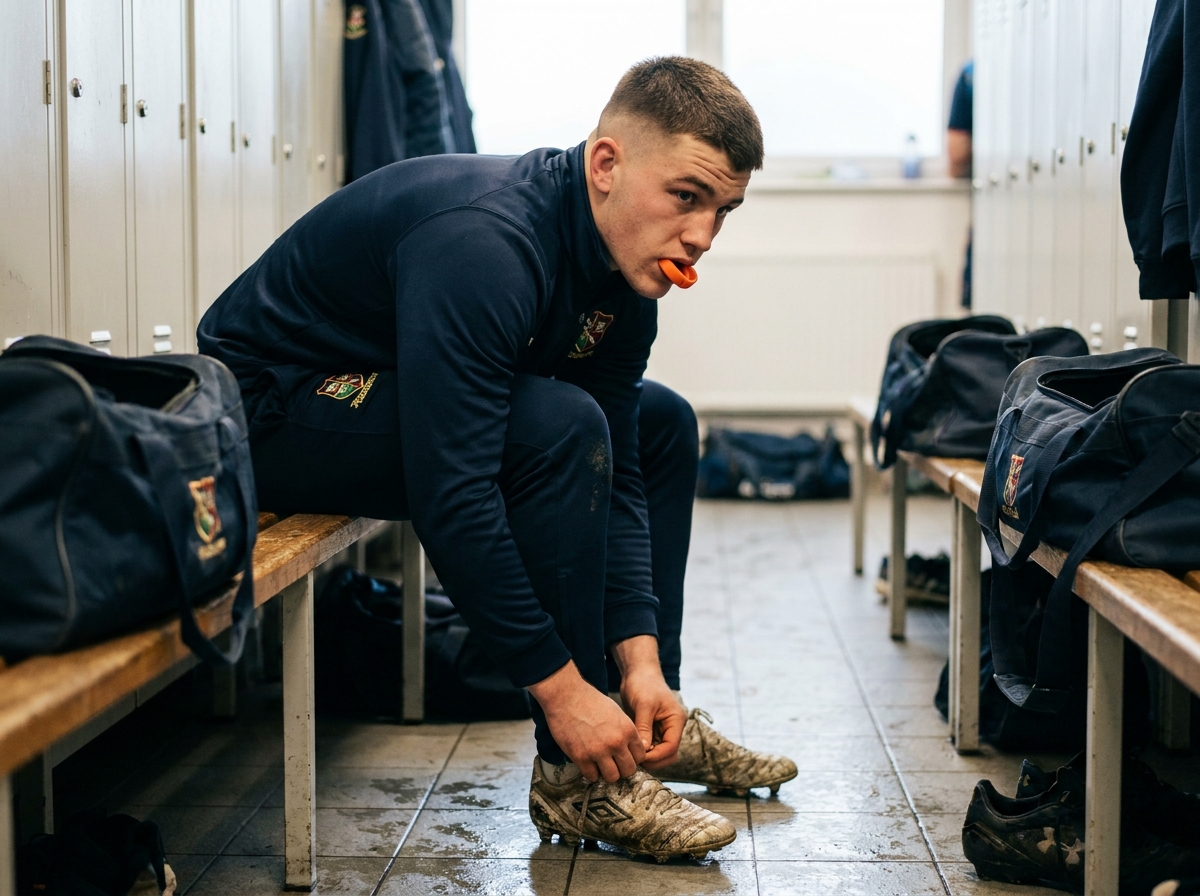
The International Federation does not compromise on wearing mouthguards: mandatory checks before each official match. However, ear guards, often responsible for injuries, remain outside the checks. On the amateur field, some clubs are shaking up the norms: instead of the traditional forty-five minutes of training, they prefer to break it down into twenty-minute sessions. Surprise, this method lightens muscle recovery and sometimes gives players a new spring in their step.
The week leading up to the match does not follow any set script. While some teams ease off to conserve energy, others ramp up the pace to maintain alertness. Here, experience prevails; everyone fine-tunes their recipe, and no universal truth applies. The diversity of approaches shows just how much preparation remains a fluid science, far from textbooks.
Why physical preparation makes all the difference before a rugby match
In this sport, improvisation has no place. Physical preparation truly shapes the player: strength, endurance, power, speed, agility, flexibility, mental toughness—each dimension matters on the field. While each position requires its specificities, they all share the same guiding principle: arrive ready, solid, and clear-headed.
It is impossible to rely on a generic program. The coach continuously adapts: one needs to gain explosiveness, another hones their endurance, a third works on speed. On the mental side, it’s another battle: visualization, stress management, team spirit. This invisible foundation makes the difference when the kickoff sounds, when it’s time to absorb or bounce back, transforming tactical instructions into reflexes in the moment.
Contacts are part of the game. To limit damage, injury prevention becomes the rule. Mobility sessions, core strengthening, organized recovery: these habits protect players and provide a safety margin. More than just a safety net, serious preparation boosts confidence, accelerates recovery, and gives every chance to endure the season.
Equipment also weighs in on the balance. A poorly shod player can throw off the entire training. The choice of rugby boots influences stability, propulsion, and safety in every phase. And for those who want to dig deeper: how long does a match really last?
What training programs to progress according to your player profile?
It is impossible to standardize the preparation of a prop and that of a scrum-half. Each position calls for specific needs, and the coach builds a tailored program: pure strength, explosiveness, endurance—all come into play to develop each rugby player while cultivating collective chemistry.
Sessions are built around functional and varied exercises. Squats, lunges, sprints, kettlebell swings, explosive push-ups, box jumps… all tools to work on every aspect. The kettlebell carves out a prime spot in this toolkit: strength, coordination, cardio—it checks all the boxes. Direction change exercises, whether short or long, refine agility and strengthen reactivity.
Here are the main categories of exercises that structure these training sessions:
- For strength: squat cycles, deadlifts, pull-ups, heavy kettlebell swings.
- For endurance: circuits mixing sprints, push-ups, goblet squats, and jump sequences.
- For power: plyometric work, clean and press, short and intense sprints.
Recovery becomes the cornerstone of progress: ice baths, self-massage, yoga, compression, active recovery—each method aims to erase fatigue and prevent setbacks. On the nutrition side, the body needs fuel: proteins, carbohydrates, fats, hydration, and sometimes supplements (creatine, BCAAs, vitamins) to support the pace. And without solid sleep, preparation would remain incomplete.
Focus on essential equipment: equip yourself to play with confidence
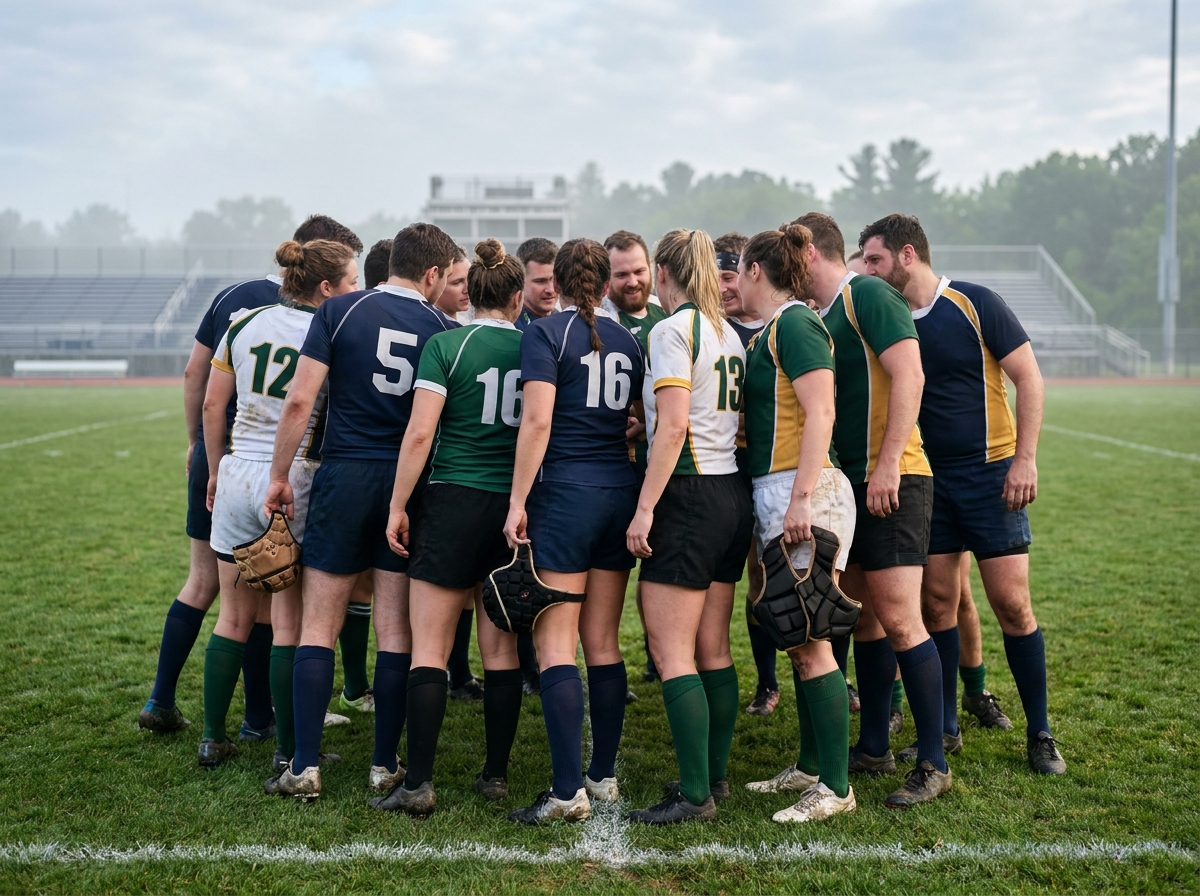
On the field, every detail counts. The choice of gear is not left to chance. A lightweight, durable jersey that fits the movements without ever hindering. The shorts must withstand the load, the socks rise to protect, and the shoes adapt to the nature of the ground. Nothing is overlooked: comfort and safety fuel the group’s confidence.
Protection takes center stage. The helmet absorbs shocks, the mouthguard protects the jaw, and the chest guard cushions rough contacts. During training, pinnies differentiate teams, and the first aid kit is kept close at hand for any emergencies.
Among the tools that punctuate the sessions, we find:
- Cones and hurdles for speed and agility exercises.
- Stopwatch, whistle, tactical folioscope to assist the coach on the sidelines.
- Camera and video screen to analyze collective or individual performance in detail.
Rugby leaves no room for improvisation. Equipping oneself appropriately is giving every chance to perform and endure. Preparation and equipment combine to turn risks into confidence. At the end of the field, only rigor opens the doors to success.