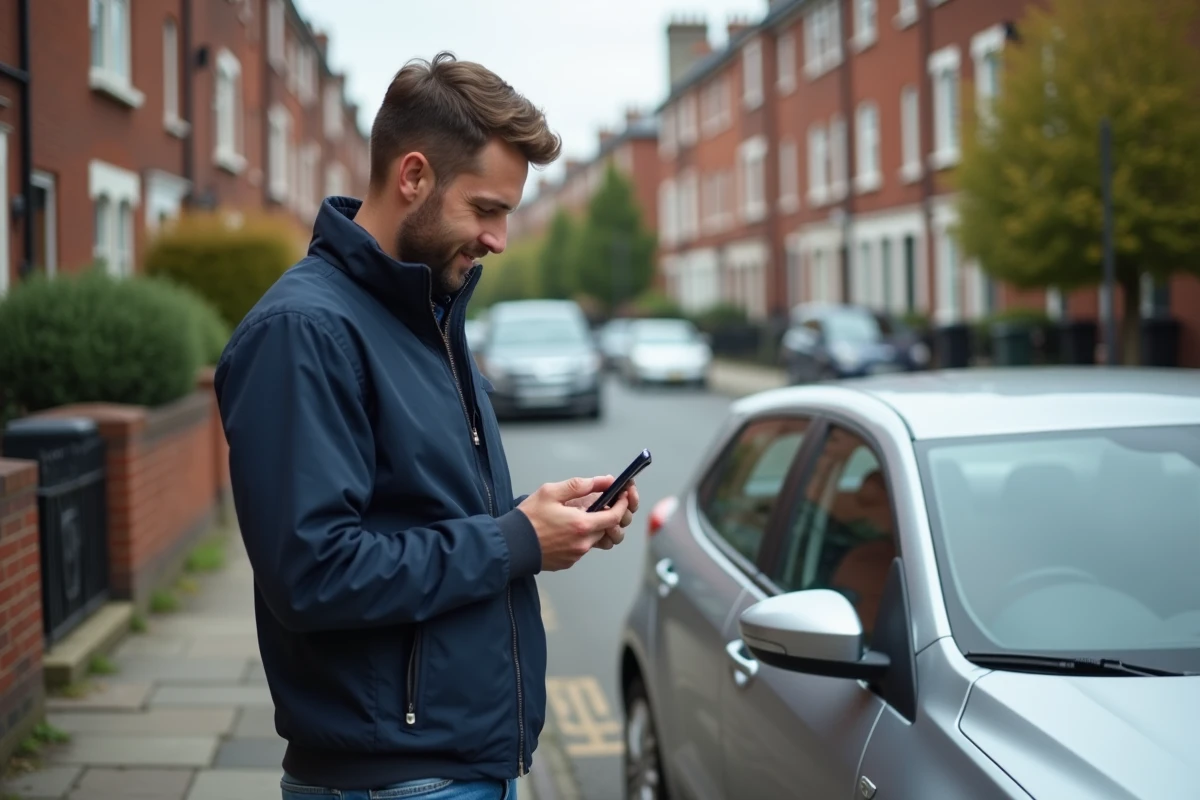
The geolocation of a vehicle does not solely depend on the onboard technology. Some free applications offer advanced features, often unknown, that allow you to locate a vehicle at no additional cost. Legal procedures vary depending on the situation, but solutions exist even in the absence of a GPS tracker.
Regulations impose strict limits on vehicle surveillance, but tips exist to bypass certain administrative obstacles. Telephone operators and authorities have specific means to intervene, under certain conditions, in case of theft or disappearance.
Finding Your Car: Understanding the Causes and Most Common Situations
Losing track of your car is not uncommon. Far from theft scenarios, it is often the forgetfulness of the parking location that traps the driver, especially in the chaos of overcrowded parking lots. Between the floors of a shopping center, the endless aisles of an event space, or the repetitive geometry of an underground parking lot, it only takes a moment of inattention to find yourself wandering, keys in hand, in front of a sea of identical vehicles.
To avoid wasting time, it’s better to adopt a few simple reflexes. Taking a distinctive visual marker, a sign, a colored door, or an isolated tree can make all the difference when it comes time to find your car. Some opt for an infallible method: photographing the immediate environment of the vehicle. This simple snapshot of a corner of a wall or the aisle number quickly becomes invaluable, especially after a busy day or a long evening. The photo then acts as a beacon, guiding you reliably to the right spot, even in poorly lit or poorly marked parking lots.
Another tip: manage the time spent parking. Setting a timer on your smartphone helps keep track of the arrival time and avoids both overstays and forgetfulness. This reflex has a double advantage: limiting the risk of fines and remembering precisely when and where the car was left.
For those who want to go further, the article locate a car for free with L’Actu Auto provides a detailed guide, from practical advice to step-by-step procedures. Applying the right gestures in the jungle of anonymous parking lots offers peace of mind and helps avoid the frustration of endless searches.
What Free Methods Are Available to Locate a Lost or Stolen Vehicle?
The most accessible solution often lies in your pocket: the smartphone. Many free applications have become valuable allies when the car seems to have vanished. The Google Maps application, for example, allows you to save the parking location in just a few seconds: one click, a photo of the surroundings, and you’re done. On the way back, pedestrian or car navigation leads directly to the vehicle, even in a maze of similar streets. The Street View feature, on the other hand, provides an accurate representation of the area to avoid any confusion between two neighboring parking lots.
Here are some applications to consider for finding your car at no cost:
- Waze automatically records the position where you parked. A simple voice command is then enough to locate the vehicle, which is very convenient in the city. The app also adjusts the route based on traffic to facilitate the return.
- Other free tools such as Locate My Car or Find My Car store the GPS position, offer return routes, and sometimes keep a history of parking to avoid any unpleasant surprises.
- For those managing multiple vehicles, Find My Car allows you to locate each car individually and add photos of the location, a valuable aid during large gatherings or in unfamiliar areas.
However, be careful: without battery power, even the best application remains silent. Keeping a multifunction USB charger handy in the glove compartment avoids many hassles and ensures you won’t be caught off guard at a critical moment. Combined, these solutions make locating a car quick, accessible, and reassuring on a daily basis.
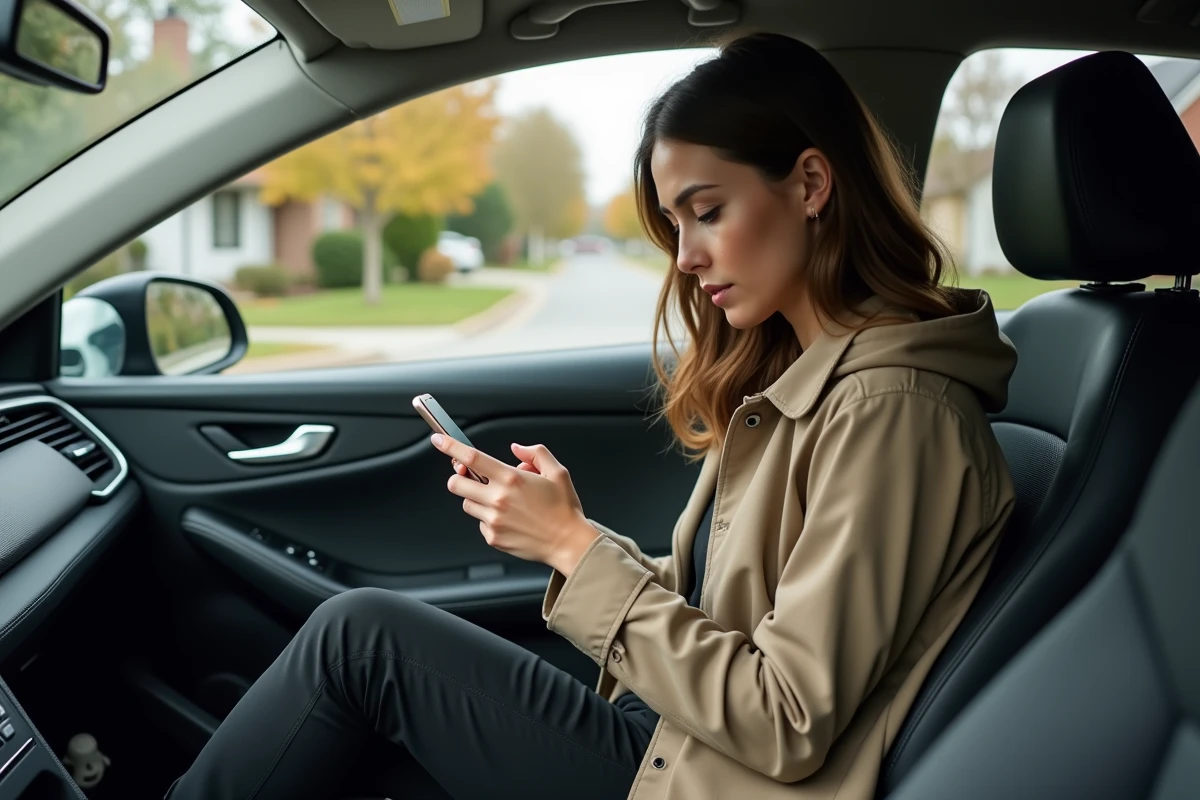
Applications, GPS Trackers, and Legal Procedures: Everything You Need to Know to Recover Your Car
GPS trackers have changed the game in recent years. Losing track of your vehicle no longer necessarily means abandoning it to its fate. These devices, sometimes integrated into the dashboard, sometimes hidden under a seat or connected to the OBD port, transmit the car’s position in real time. Some models, equipped with geofencing, trigger an alert as soon as the car crosses a predefined area: a formidable tool for quick intervention in case of suspicious movement.
GPS beacons rely on different networks: GSM, LoRa, LTE-M, and sometimes even satellite. If the connection drops, some devices store the routes and communicate them as soon as the signal is restored. iPhone users also benefit from Apple AirTags, which leverage the global network of Apple devices to discreetly and effectively locate a vehicle. For those wary of an unknown tracker, specialized detectors like the iProtect 1207 can detect suspicious signals, a useful precaution before purchasing a used car.
Legally, the collection and transmission of geolocation data are strictly regulated by the GDPR. It is essential to obtain the owner’s consent before any use or sharing of this information: non-compliance exposes one to penalties. Law enforcement can access this data as part of an investigation, particularly in cases of theft. Providing the license plate and tracker data to the authorities gives an additional chance of recovering your vehicle, even if it has crossed European borders.
Ultimately, locating your car is no longer reserved for specialists or tech enthusiasts. The tools and tips exist; you just need to take advantage of them. The next time your car seems to have disappeared, you’ll have all the cards in hand to find it, where you least expect it.