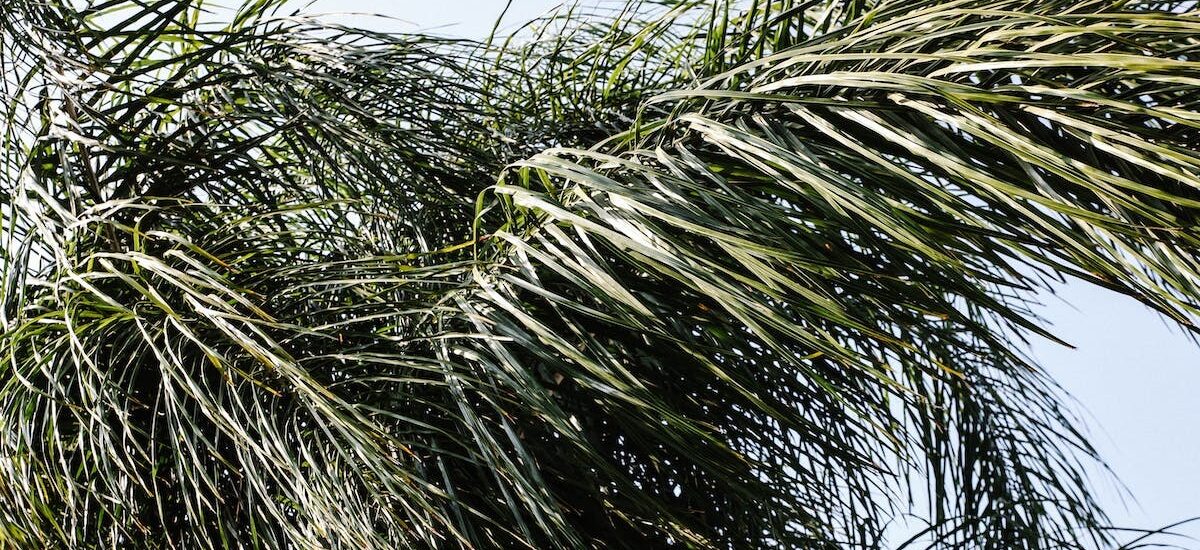
In the world of plant lovers, palm trees play a major role with their exotic presence. It is vital to recognize the warning signs that indicate a struggling palm tree. A change in leaf color—from vibrant green to pale yellow or dull brown—is often the first sign of a problem. Other indicators may include spots on the leaves or stunted growth. But what does this color change actually mean? And how can we remedy it to ensure the health and longevity of the tree? Here are some avenues to explore to help your distressed palm.
Distressed Palms: Alarming Symptoms
When the leaves of a palm tree turn yellow, it can be a sign of an imbalance or nutritional deficiency. The absence of essential nutrients in the soil can affect the health of palm trees and lead to this concerning discoloration. The vitamins and minerals that palm trees need to thrive include nitrogen, phosphorus, and potassium.
Another possible cause of the ‘yellow palm’ phenomenon is an overabundance of stagnant water at the roots. Poor drainage can cause root rot, compromising the tree’s ability to absorb nutrients.
To prevent these recurring problems in palm trees, it is crucial to choose an appropriate location with good soil drainage. Also, ensure that your tree receives adequate fertilization with fertilizers specifically formulated for palm trees.
If yellow leaves persist despite your efforts, you should consult a professional to more accurately assess the situation and recommend an appropriate treatment.

Yellow Leaves on Palms: A Warning Signal
Beyond yellow leaves, the presence of brown leaves on a palm tree is also concerning. Brown leaves can indicate various types of stress that the tree is facing.
One of the main factors that can cause a brownish discoloration of the leaves is lack of water. When palm trees do not receive enough water, they struggle to maintain their internal hydration and begin to dry out. This manifests as brown spots or entirely brown leaves.
Another element that can lead to the appearance of brown leaves is excessive sun exposure. Palm trees are tropical plants that prefer indirect light rather than intense direct light. Overexposure to the sun can cause leaf burns, resulting in their brown coloration.
Stressed Palms: Worrisome Brown Leaves
Palms are resilient plants, but they can sometimes show signs of distress. Among the most common symptoms are yellowed or browned leaves. In this section, we will explore the potential causes behind the appearance of yellow leaves on a palm tree.
A common reason is insufficient water. Palm trees need regular and adequate watering to maintain their health. During dry periods or if the palm’s root system is compromised, the lack of water can lead to leaf discoloration, causing them to turn yellow.
Another factor to consider is nutritional deficiency. Palm trees require essential nutrients such as nitrogen, phosphorus, and potassium to grow properly. If these elements are insufficient in the soil or are not effectively absorbed by the palm’s roots, it can lead to a degradation of the natural green color of the leaves, resulting in a yellowish appearance.
Some fungal diseases can also cause a color change in the leaves of palm trees. The fungus Ganoderma boninense, responsible for trunk rot in certain types of palms like Elaeis guineensis (oil palm), can severely affect their overall condition and lead to premature yellowing.
Attention must also be paid to temperature and excessive cold exposure. In cases of frost or low temperatures, the leaves may deteriorate and take on a yellow hue.
If you observe yellow leaves on your palm, it may indicate a range of possible issues: lack of water, nutritional deficiency, fungal diseases, or unfavorable environmental conditions. It is recommended to consult a professional to accurately diagnose the cause of the problem and provide the appropriate care to ensure your palm’s good health.
Yellow Leaves on Palms: Possible Causes
In this section, we will discuss the potential causes that can lead to the appearance of brown leaves on a palm tree. Brown leaves are often a sign of advanced distress and require immediate attention to save the plant.
One of the main reasons behind brown leaves is lack of adequate water. When palm trees do not receive enough moisture, their leaves begin to dry out and gradually turn brown. It is essential to ensure that your palm receives regular and adequate watering to prevent this problem.
Prolonged exposure to intense sunlight can also cause brown leaves on a palm tree. Ultraviolet rays can damage the leaf surface, leading to browning. In this case, it is recommended to provide protection from direct sunlight by using shade cloths or moving the palm to a more shaded location.
Sudden temperature changes can be harmful to palms and cause leaf browning. Frost episodes or even simply excessive cold exposure can lead to the death of leaf tissue and its brown coloration. If you live in an area where winters are harsh, it is important to protect your palms during these periods.
Parasitic infestations are also a common cause of leaf browning in palm trees. Appropriate insecticides and pest control treatments may be necessary to eliminate the pests responsible for this deterioration.
An nutritionally imbalanced soil can lead to brown leaves on a palm tree. A deficiency or excess of certain essential nutrients can affect the overall health of the tree and cause leaf discoloration. It is recommended to use fertilizers specifically designed for palms to maintain an adequate nutritional balance.
If you notice that your palm has brown leaves, take the time to identify the underlying cause of the problem and take appropriate measures. Consulting a professional arborist can allow for precise analysis and the application of suitable treatments to save your palm.
Brown Leaves on Palms: Likely Explanations
In this section, we will share some essential tips for preventing and treating palm distress. By following these recommendations, you can optimize the health of your palms and avoid issues related to yellow or brown leaves.
You must ensure that the soil in which they are planted is well-drained to avoid any excess water that could cause root problems.
Regular irrigation is crucial to keeping your palms healthy. Be sure to water deeply around the trunk without excessively wetting the leaves themselves. A drip irrigation system can be very effective in providing sufficient water while minimizing the risks of overwatering.
Proper fertilization also plays a key role in preventing palm distress. Use a balanced fertilizer specially formulated for tropical trees and carefully follow the instructions regarding frequency and quantity to apply. A deficiency or excess of nutrients can lead to undesirable symptoms such as yellow or brown leaves.
Protection against pests and diseases is another essential preventive measure. Regularly inspect your palms for signs of infestation or abnormal symptoms such as spots, deformities, or dieback. If necessary, apply an appropriate treatment to eliminate pests while preserving the health of the palm.
Do not hesitate to consult a qualified professional if you encounter persistent problems with your palms. An experienced arborist will be able to quickly identify the underlying causes using advanced techniques such as leaf sampling or genetic diagnosis to accurately diagnose the problem and recommend an appropriate treatment plan.
By following these simple yet important tips, you can keep your palms healthy and fully enjoy their beauty in your garden or landscape. Remember that regular attention and prompt action are essential when it comes to preventing and treating palm distress.
Prevention and Treatment of Palm Distress: Useful Tips
In this section, we will discuss specific care techniques for palms with yellow or brown leaves. By identifying the underlying cause of these symptoms, you will be able to apply targeted treatment to restore the health of your palm.
If your palms have yellow leaves, this may be a sign of a nutritional deficiency. Essential nutrients such as nitrogen, magnesium, and potassium are necessary for healthy leaf growth. Regular fertilization with a balanced fertilizer containing these elements can help correct this deficiency and promote the production of new bright green leaves.
If your palms have brown leaves that are drying out, this may indicate a lack of water or a soil drainage issue. Be sure to check that your plants are receiving adequate irrigation and that water is not pooling around the roots of the palm. If necessary, adjust your watering system or add a layer of draining material like gravel at the bottom of the hole before planting.
Fungal diseases can also cause problems for palms and lead to browning of the leaves. Fusarium or Phytophthora are two common examples that can cause this type of symptom. In this case, be sure to treat promptly with a specific fungicide to control these pests and protect your tree from further damage.
Remember that each situation is unique, and it is advisable to consult a qualified professional for an accurate assessment and advice tailored to your specific situation. By taking care of your palms at the first signs of distress, you significantly increase their chances of quick recovery and preserve the lush beauty they bring to your outdoor environment.