After 60, health and well-being depend less on miracle cures and more on concrete choices made daily. Physical activity, nutrition, housing adaptation, medical support: each lever acts differently depending on the person’s profile. This article compares their relative impact on the autonomy and balance of seniors, relying on what public health literature documents best.
Comparative Impact of Well-Being Levers After 60
Not all health advice for seniors is equal. Some focus on fall prevention, others on cognitive maintenance or chronic disease management. The table below summarizes the main levers and their primary impact areas.
| Lever | Main Impact Area | Recommended Frequency | Risk if Neglected |
|---|---|---|---|
| Adapted physical activity | Balance, muscle strength | Daily or nearly daily | Falls, loss of autonomy |
| Balanced diet | Bone density, immunity | At every meal | Malnutrition, frailty |
| Housing adaptation | Home safety | Occasional (modifications) | Domestic accidents |
| Regular medical follow-up | Screening, treatment adjustments | Several times a year | Avoidable complications |
| Social connections and activities | Mental health, cognition | At least weekly | Isolation, cognitive decline |
What stands out from this framework is that physical activity and nutrition act continuously, while housing adaptation is a one-time investment but has a lasting effect. Medical follow-up serves as a safety net to detect what daily habits alone cannot prevent.
Specialized resources allow access to tailored health and comfort products, such as those found on the pharmavia.fr website for seniors, which gathers targeted references for this age group.
Seniors’ Physical Activity: Walking Isn’t Always Enough
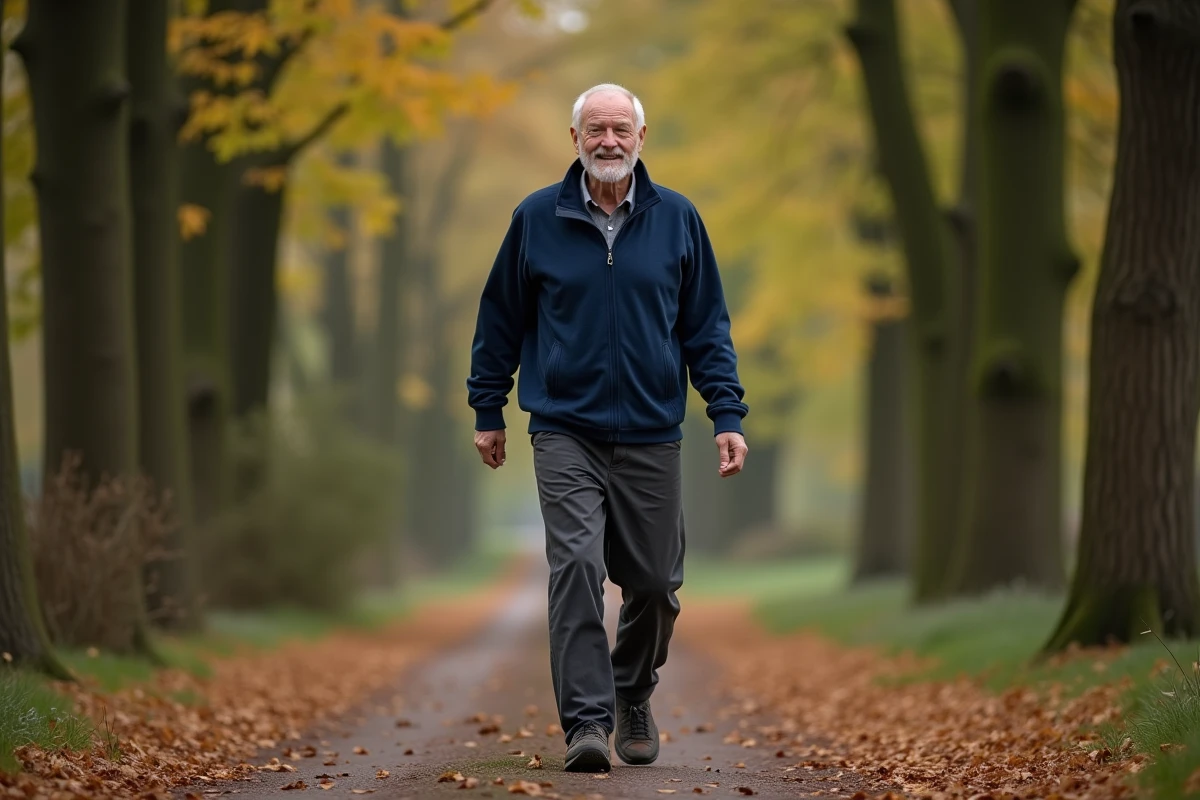
Walking remains the most practiced activity after 60, and for good reasons: it engages balance, requires no equipment, and adapts to nearly all fitness levels. However, it only partially works on muscle strength, which naturally declines with aging.
Muscle strengthening complements walking on a crucial point: the ability to get up after a fall, carry a grocery bag, climb stairs without excessive breathlessness. Simple exercises (assisted squats, chair lifts, resistance bands) practiced two to three times a week can make a difference.
Balance, on the other hand, needs specific training. Tai chi and certain gentle gym programs incorporate postures on one foot, lateral movements, and weight transfers. These actions significantly reduce the risk of falls.
- Daily walking for cardiovascular endurance and maintaining joint mobility
- Muscle strengthening two to three times a week to preserve muscle mass and bone density
- Regular balance exercises to decrease the risk of falls, especially in those over 75
A senior who combines these three types of activities maintains functional autonomy much longer than if they limit themselves to walking alone.
Nutrition After 60: Prioritizing Protein and Hydration
Aging alters nutritional needs. The sensation of thirst decreases, appetite diminishes, and the absorption of certain nutrients becomes less effective. Two areas deserve special attention.
Protein intake must remain sufficient to slow age-related muscle loss. Meats, fish, eggs, legumes, and dairy products spread across three meals help maintain protein synthesis. A protein-poor breakfast followed by a concentrated dinner is less well absorbed than a balanced distribution.
Hydration is another critical point. Without reliable thirst signals, many seniors drink too little, leading to confusion, urinary infections, and kidney issues. Drinking regularly, even outside of meals, remains a reflex to actively maintain.
Conversely, restrictive diets (strictly no salt, no total fat) applied without medical supervision often cause more harm than good, particularly malnutrition, which affects a significant portion of elderly individuals living at home.
Housing Adaptation and Support: Reducing Risk Before a Fall

The majority of accidents among seniors occur at home. Poorly secured rugs, bathtubs without grab bars, insufficient lighting at night: simple modifications significantly reduce the risk of falls and fractures.
The most effective changes are not necessarily the most expensive. Installing grab bars in the bathroom, replacing a bathtub with a walk-in shower, securing cables to the floor, adding automatic night lights in hallways: these actions are common sense but are often postponed until an accident occurs.
- Grab bars in the bathroom and toilets
- Removal of unsecured rugs and raised door thresholds
- Automatic lighting in nighttime passage areas
- Storing everyday items within accessible reach, without a stool or ladder
Financial assistance is available to fund these housing adaptation projects. Consulting an occupational therapist can help identify specific risk points in each home, which a non-professional eye rarely spots.
Medical Support and Coordinated Follow-Up
Regular medical follow-up plays a role in early detection. After 60, drug interactions become more frequent, and regular review of prescriptions prevents redundant or inappropriate prescriptions.
A primary care physician who knows all ongoing treatments remains the pivot of this support. Preventive assessments offered by health insurance for seniors also help identify silent disorders (hypertension, early diabetes, hearing issues) before they degrade quality of life.
Social connections, often classified under “psychological well-being,” also have a measurable impact on physical health. Isolation accelerates cognitive and muscular decline, partly because a lonely person moves less, eats less, and consults later. Participating in collective activities (associations, volunteering, walking groups) is not a luxury: it is a full-fledged preventive lever.
Among all the compared levers, adapted physical activity and nutrition remain the two pillars that seniors have the most control over daily. Housing adaptation acts once but provides lasting protection. Coordinated medical follow-up detects what lifestyle alone cannot prevent. None of these levers work in isolation: it is their combination that maintains autonomy over time.